

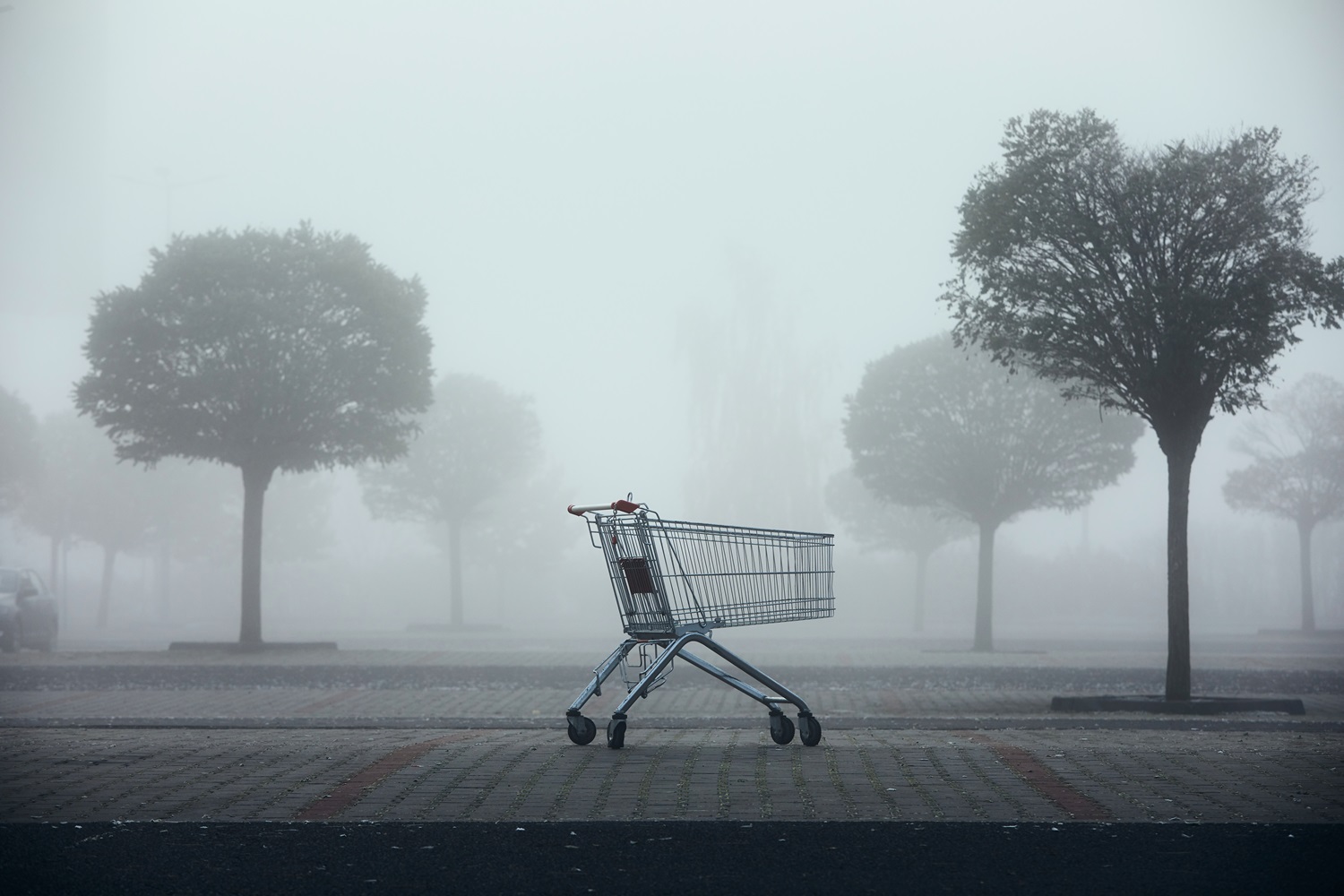
A shopper fills an online cart with $140 worth of skincare products and goes to checkout. $14 in shipping. $9 in taxes. The $3 service fee is the last straw, and she closes the tab without buying anything. The entire experience felt great, until that extra $26 right at the end. That’s where ecommerce shops looking to reduce cart abandonment should start.
What the Cart Abandonment Data Shows NJ Shops
Data collected by the Baymard Institute across fifty different studies found that roughly seventy percent of online shopping carts were abandoned before purchase. That’s not always fixable, because about forty percent of those shoppers had no intention to buy in the first place, which is normal and part of the nature of the beast.
The same split between browsing and buying shows up in local internet marketing for other small businesses, just spread across a longer research process instead of a single checkout page. Ecommerce squeezes that same split into the few seconds between adding something to a cart and deciding whether to pay for it.
But when shoppers were asked why they abandoned their carts, forty percent of those who responded cited those extra costs tacked on at checkout. The shipping fees, taxes, and service charges that blindside them just before checking out. And getting surprised by them like that can be quite frustrating, and erode trust in the store itself.
The Difference Between “Too Expensive” and “The Cost Showed Up Too Late”
Ecommerce stores shouldn’t confuse the fees problem with pricing problems. Adding an item to the cart shows interest, but it doesn’t necessarily mean the shopper has accepted the price or decided to buy. What hidden fees do is create an additional reason to leave after that interest already exists.
Baymard also found nineteen percent of shoppers don’t trust a site with their card information. Another eighteen percent leave because the site forces an account before checkout.
Fixing the Moment Trust Breaks Helps Reduce Cart Abandonment
Those trust issues are concentrated on one page: the checkout page.
Showing the full cost, shipping and tax included, before a shopper reaches the last step removes the surprise entirely. A shop that displays an estimated total in the cart, not just at checkout, gives a shopper the real number early enough to still say yes.
Getting the checkout flow itself right counts just as much as the number on the screen.
A shopper who has to create an account, re-enter an address twice, or click through several extra steps starts to wonder if their order is worth all the trouble.
Mobile Checkout Fails in Different Places Than Desktop
Stores also can’t neglect their mobile checkout flows. The smaller screen size makes mobile checkout intrinsically harder to use.
Google’s own research on mobile page speed found something worth taking seriously. As load time goes from one second to ten, the odds of a visitor bouncing rise by 123 percent.
So when a checkout form built for a mouse and keyboard becomes a slow, frustrating process on a small screen, the store can kiss those carts goodbye.
Carrying a shop’s promotional messaging through checkout, not just the landing page, keeps mobile shoppers reassured through those extra taps.
A visible reminder of the discount or free shipping they’re getting helps offset the friction of typing on a phone.
Checkout Page Problems to Fix First to Reduce Cart Abandonment
Four checkout problems are worth testing first:
- Shipping and tax that only appear on the final screen, after a shopper has already filled out their information
- No guest checkout option, so a first-time buyer has to create a password before they can pay
- A return policy that’s never mentioned until a customer emails asking about it
- A payment section that gives shoppers little visible reassurance about how their payment information is being handled.
The quickest check is to go through the checkout like a first-time customer and note every surprise, forced step, or missing reassurance along the way.
How Recovery Emails Reduce Cart Abandonment After Checkout
Even a well-built checkout won’t catch every shopper. Some people get distracted. Others need to check a partner’s card, or just run out of time before dinner.
That’s where the recovery email comes in.
A shop that emails someone within a few hours of an abandoned cart recovers a meaningful share of those sales without spending anything on new traffic. This is one of the cheapest ways to reduce cart abandonment losses.
What a Good Abandoned-Cart Email Says
A good recovery email does three things: it reminds the shopper what’s still in their cart, shows the real total with shipping included so there’s no second surprise, and makes it easy to get back to checkout in one click.
It doesn’t need a discount to work. The same kind of automated follow-up already built for browse abandonment works just as well for a cart someone filled but never paid for.
Link the shopper back to the saved cart or checkout whenever the platform supports it, rather than making them rebuild the order from a homepage or product page.
A shopper returning from an email should land near the product or checkout they already cared about. Connected pages help any small business site for much the same reason: the visitor has a clear path to whatever comes next.
Questions NJ Shop Owners Ask About Cart Abandonment
How much does it cost to fix a checkout page?
Some checkout improvements are relatively inexpensive configuration changes, while others require developer work. The cost depends heavily on the ecommerce platform and how customized the checkout already is. A shop just starting to prioritize this work can sequence it the same way any new small business plans its first few months.
How long does it take to see fewer abandoned carts after fixing checkout?
Cost transparency changes usually show up fast, often within the first few weeks, since they remove friction a shopper hits immediately. Recovery emails take a little longer to judge well, usually a full month, since the numbers need time to stabilize.
Would a discount code fix this faster than any of this?
Not necessarily. Before discounting, fix avoidable friction such as surprise fees, forced account creation, unclear totals, or checkout errors. Then test whether an incentive actually improves profitable conversions
What Separates Shops That Recover Sales From Shops That Don’t
The shopper who closed her tab over an extra $26 wasn’t lost for good. A follow-up email with the real total, sent within a few hours, brings back a real share of shoppers like her.
The shops that recover those sales are the ones that fixed the moment right before checkout, then caught whoever still slipped through with a well-timed email afterward.
Checkout, mobile, and follow-up emails each help a little on their own. A shop that treats ecommerce marketing as one connected effort usually sees more from all three combined than from any single fix, and that combination is what helps reduce cart abandonment over the long run.