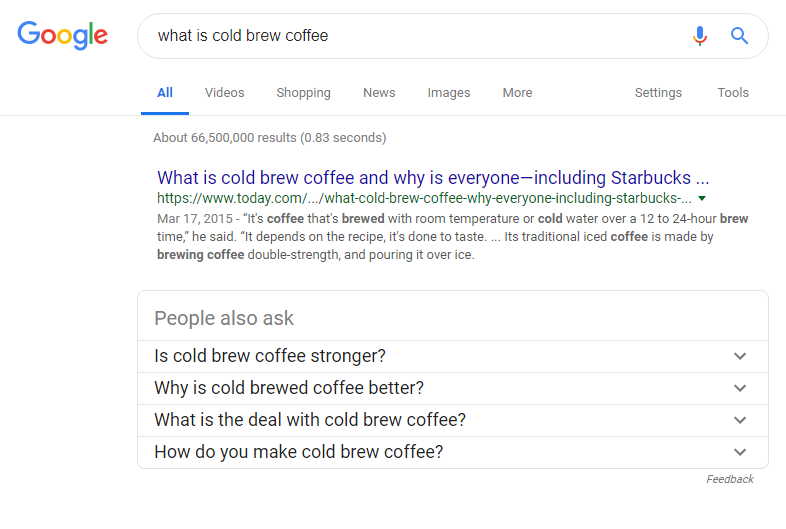


Families enroll their kids in private schools for a variety of surprising reasons. Maybe their daughter is getting bullied based on how puberty is affecting her body. Maybe their son wants to play football in a more prestigious program than the public school can provide. Regardless of the reason, when a New Jersey family searches “private school near me,” they might end up with twelve tabs open before dinnertime. At the end of the day, these schools still need enough enrollment and revenue to support their programs, and private school marketing affects which schools families seriously consider.
But it’s easy to make mistakes when marketing any kind of business, especially private schools. Avoiding these mistakes can improve a school’s chances of appearing prominently in local results, although Google also weighs distance, relevance, and prominence.
The schools that show up are keeping their Google Business Profile up to date and collecting recent reviews. That doesn’t mean this hypothetical school is the best fit for this hypothetical family’s child. It just means they’re putting in the work that gets them looked at first.
Why Private School Marketing Falls Behind in Local Search Results
Most private schools have been around for a while, likely before search engines became the arbiter of who does and doesn’t get seen. They built their reputations on word-of-mouth and maybe some analog marketing like print ads, for example. As a result, they treat their websites like a digital brochure and not a marketing asset, because they never really had a reason to.
But for the schools forced to treat their websites as a marketing asset, it’s a different story. A NAIS survey of independent school marketing teams found that only about a quarter of schools felt they were reaching the right families across every grade level. Most were already running some form of digital marketing when they said this.
Sometimes, plugging the leak is as basic as fixing the Google Business Profile. A parent searching locally may see the GBP before ever reaching the school’s website.
The same local-search mechanics behind local internet marketing services already at work for small businesses in comparable spots apply here too. Instead of appointments or store visits, schools want to convert visitors into admissions.
Why a Bigger Enrollment Budget Doesn’t Always Win the Search Results
Imagine two schools half a mile apart. One is better known and has the bigger budget.
The other has a fully completed Google Business Profile with the right category selected and current photos. It also has numerous reviews that the school replies to.
The second school usually wins the map pack, and the family searching never sees the budget behind either listing, just the result in front of them.
Fixing Private School Marketing Starts With Local Search Basics
Just like any other business, the best way to start is by claiming the Google Business Profile. Claiming it is the easy part, keeping it current and consistent is less so.
Keep the primary category accurate and update hours during school breaks. Use fresh photos, ideally from each semester, to give families something current to look at when they find the site.
Once the profile, website, and paid visibility all need work, SEO, PPC, and web design working together makes more sense than fixing each piece in isolation.
A redesigned website with no search strategy behind it just becomes a prettier version of the same invisible page.
Common Google Business Profile Mistakes Schools Don’t Notice
A handful of mistakes show up on school profiles once someone checks them closely:
- An unclaimed or partially claimed listing still showing information the front office entered years ago
- The wrong primary category selected, so the school competes against daycares or tutoring centers instead of K-12 private schools
- Photos limited to professional shoots from the admissions brochure, with nothing candid enough to look natural
- Outdated hours, phone numbers, website links, or other profile information that no longer matches what families see on the school’s website.
All these are easily fixed by checking the GBP regularly.
Content and Consistency Keep Private School Marketing Working Long-Term
Once the profile is in shape, the website still has to answer the questions parents are searching for.
Admissions FAQ pages and tuition explainers handle the questions families ask most. Curriculum pages can go deeper on what makes the school different.
That’s way too much work for a static homepage. These need to be bespoke pages written for the people who will read them: the families comparing schools. And they work best when they’re linked together so those families have an easier time navigating the site as a whole, which is the same reason internal links help any small business rank.
A local marketing plan built around where families search gives those pages a clearer job: answer a real admissions question and move the family toward the next step.
Turning Open Houses and Campus Tours Into Useful Content
Open houses and campus tours are brimming with potential for private school marketing. But that potential goes down the drain the moment these events end.
Schools can capture that potential with photos, videos, and short recap posts that include said photos and videos. Add quotes from families who attended or a video walkthrough, and the school has new material without starting from scratch each month.
A team that already writes for schools alongside healthcare and legal clients should be able to explain how its school content changes around admissions cycles and parent questions. That kind of cross-industry experience usually shows up in the writing itself, not just in a pitch deck.
Common Questions About Private School Marketing
How much should a small private school budget for marketing?
Small private schools typically spend anywhere from a few hundred to a few thousand dollars a month on this, depending on how much work the school handles in-house. That can cover a well-kept Google Business Profile, a website with admissions pages, and some ongoing photography or video from real school events. A school just starting to get organized can sequence that spending much like a new small business mapping out its first few months.
How long does it take to see results from private school marketing?
Google Business Profile fixes can improve the accuracy and relevance of a school’s local presence, but there is no guaranteed timetable for ranking changes. New admissions and curriculum content can take time to be crawled, indexed, and gain search visibility. Some changes show results quickly, while others may take several months, and no ranking increase is guaranteed.
Is social media more important than search for school enrollment?
Neither channel automatically matters more. In the 2024-2025 NAIS survey, 52% of respondents identified social media as an effective source of new student leads, compared with 48% for organic search. Search is valuable for families actively researching options, while social media can support awareness, familiarity, and ongoing engagement. Most schools benefit from using both rather than treating them as substitutes
The Basics That Decide Whether a Private School Gets Found
A strong program alone rarely fills a waitlist when a results page decides which schools even get considered first.
That distance starts closing when the Google Business Profile stays current and the website gets treated as ongoing work rather than a yearly refresh. Open houses, campus tours, and other real school events then give the school a steady source of fresh material.
A strong program still has to become visible to the families most likely to value it. Search is one major part of that process, alongside referrals, tours, open houses, and other admissions touchpoints.